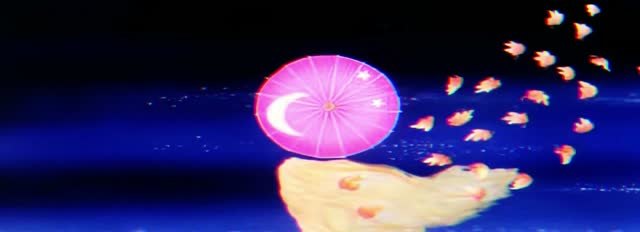
Horizon
A found-footage music video cut from public-domain films of the 1960s to the 80s. A lonely scientist dreams up the future; old commercials, a 1960s home-of-tomorrow film and hand-drawn sci-fi animation become that future coming true, then going wrong. It was built as code in HyperFrames, with AI tools as the crew and every decision mine.
Listen first
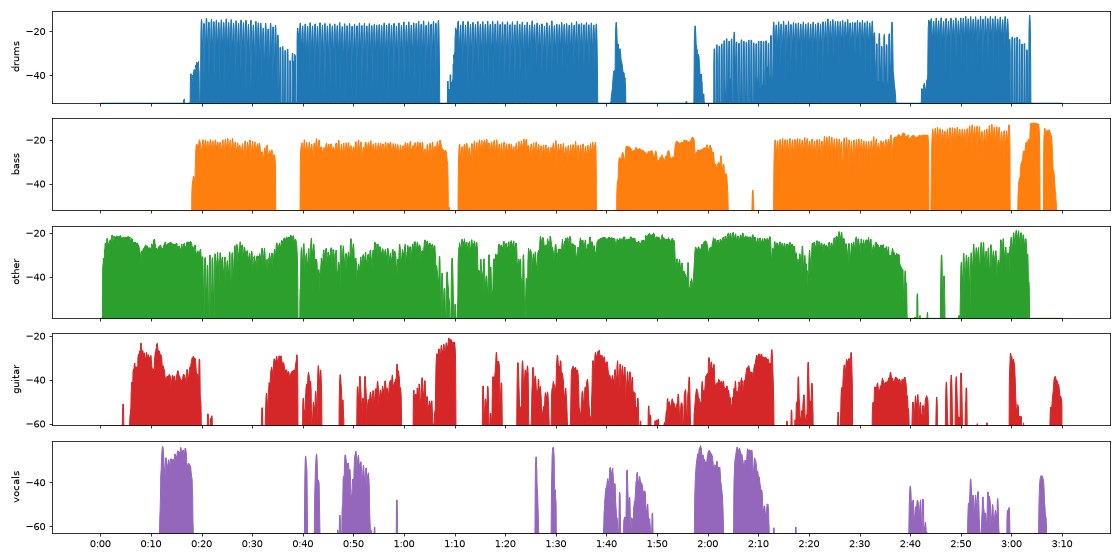
The song was split into its parts (drums, bass, synths, guitar, vocals) and mapped beat by beat, so every cut and hit lands on the music.
The grid
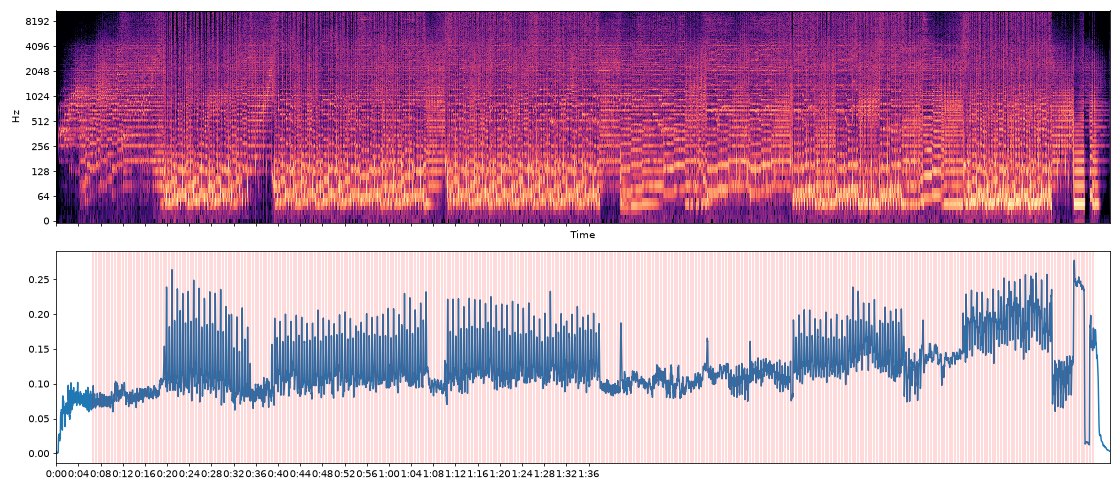
122.9 BPM. The edit is a written cut list: 59 cuts, each with a reason, built into a HyperFrames composition, which is HTML that renders to video. Changing a cut, a frame position or an effect means changing one line and rebuilding.
Pick the frame
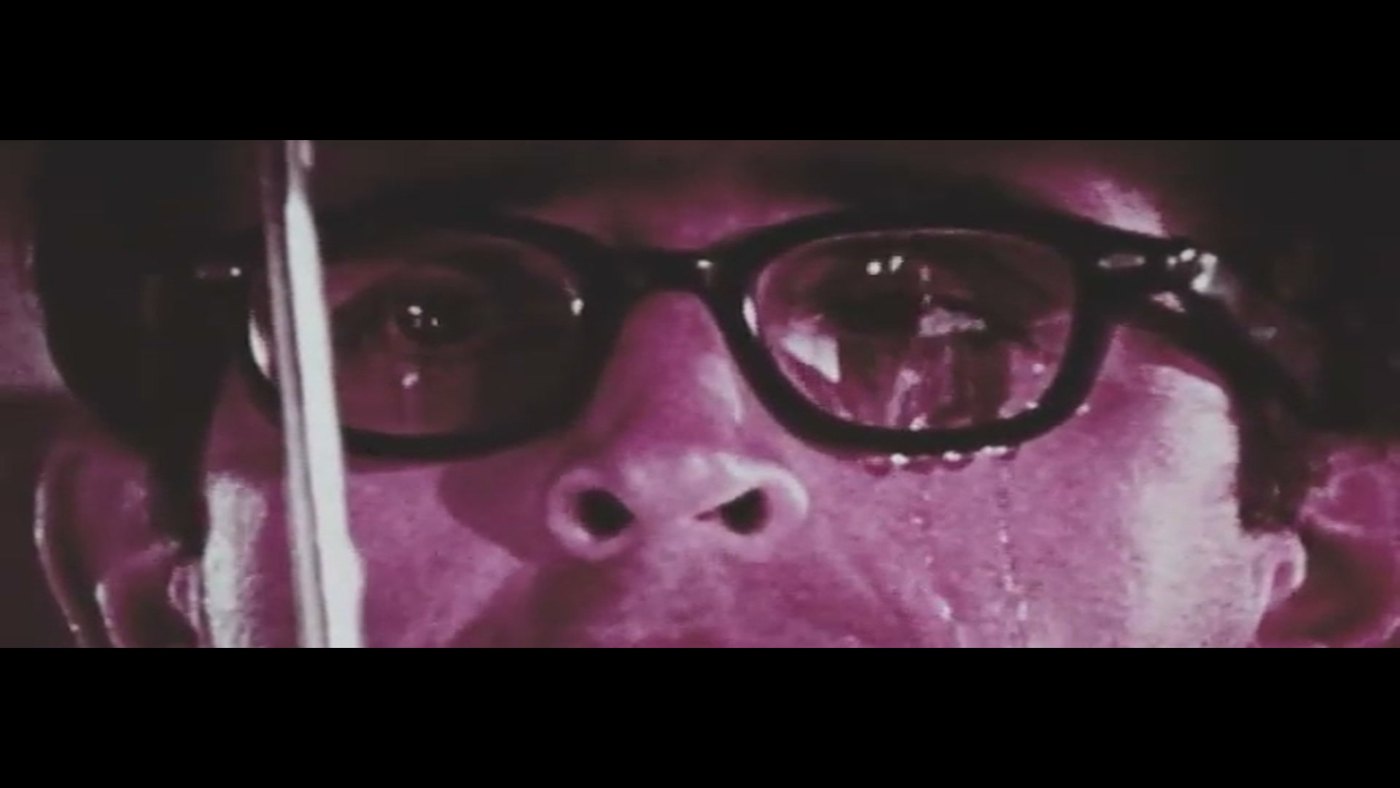
2.39, 2.76 and 3.5 were tested. 2.76:1, 1920 × 696 with no bars, became the house look, with every shot framed on its own.
One grade
Each shot was measured and graded to a shared look, cool shadows and warm highlights, so footage from five different sources plays as one film.
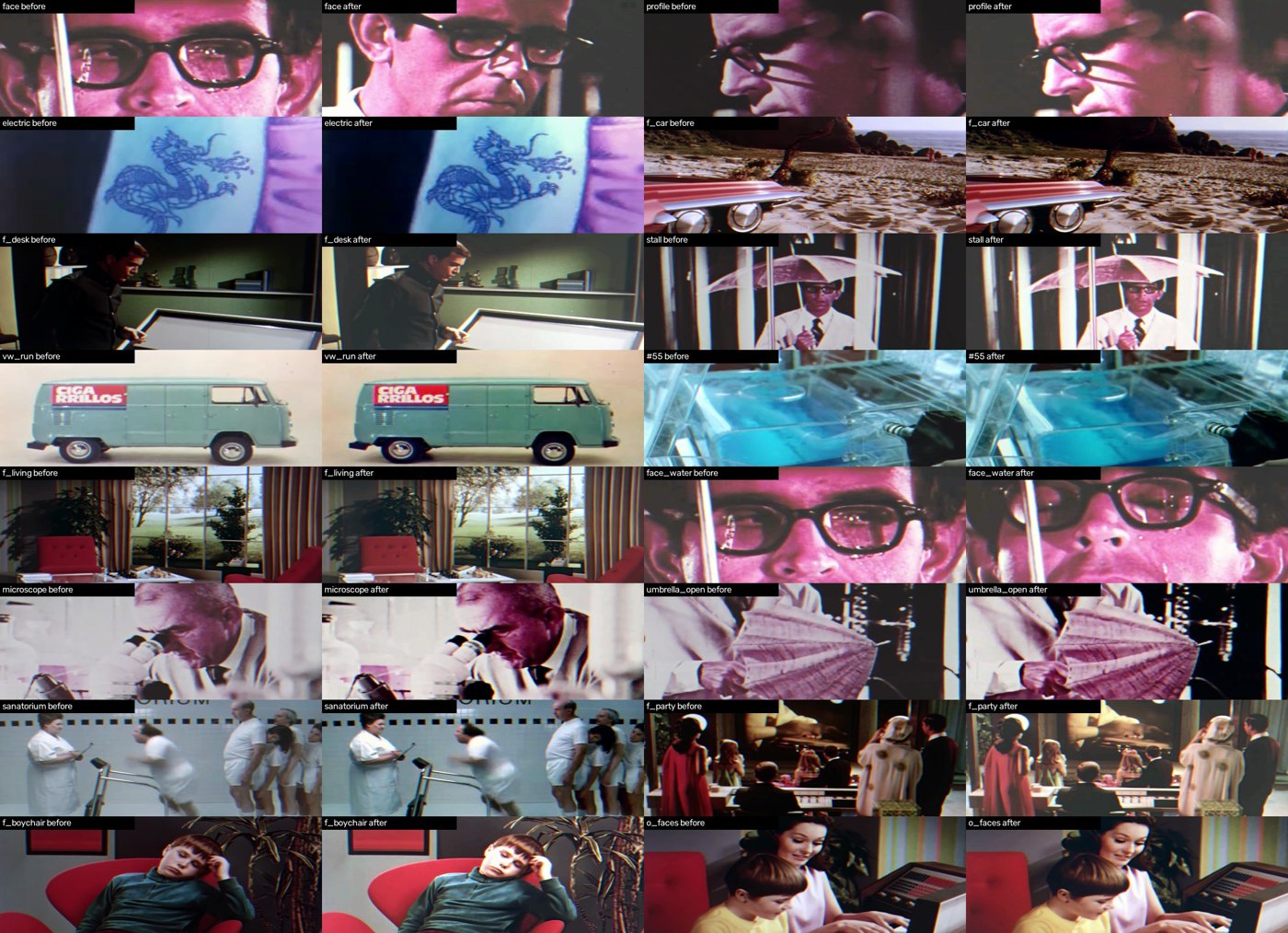
Signal look
Chromatic splits, echo and flicker, tuned per section, plus slam words that flip the picture negative.
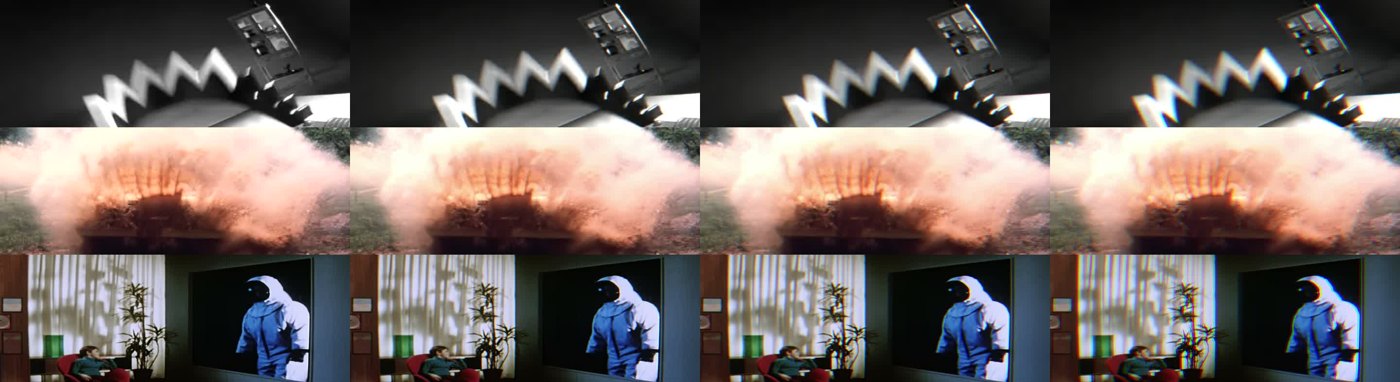
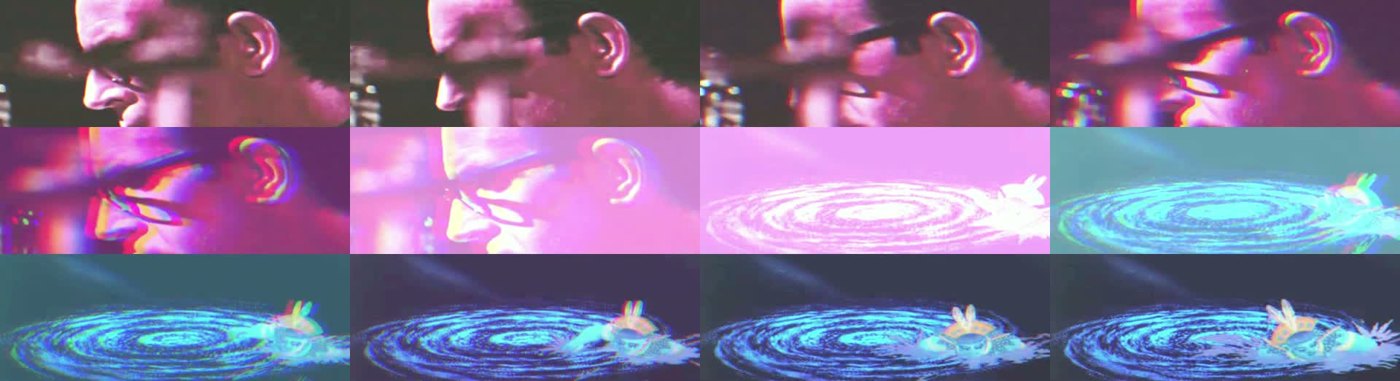
The hook
At 0:11 the doctor dissolves into the dream: an RGB split, a magenta and cyan flash and a white-hot peak.
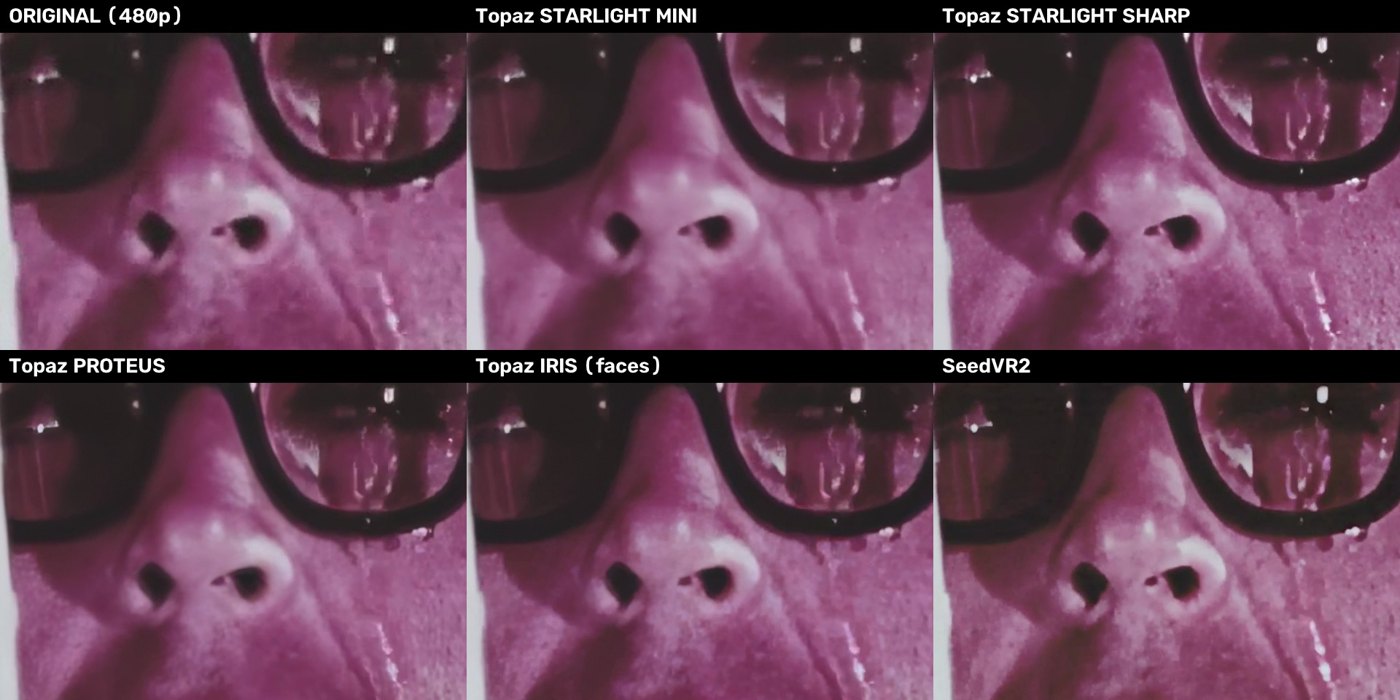
Restore
Every cut was restored with AI (Topaz Proteus, run through fal), after testing several models shot by shot.
Cut-outs
A pantomime horse matted out of a 1940s variety show with a video segmentation model (SAM 3), then cleaned and stepped to the beat.

New footage
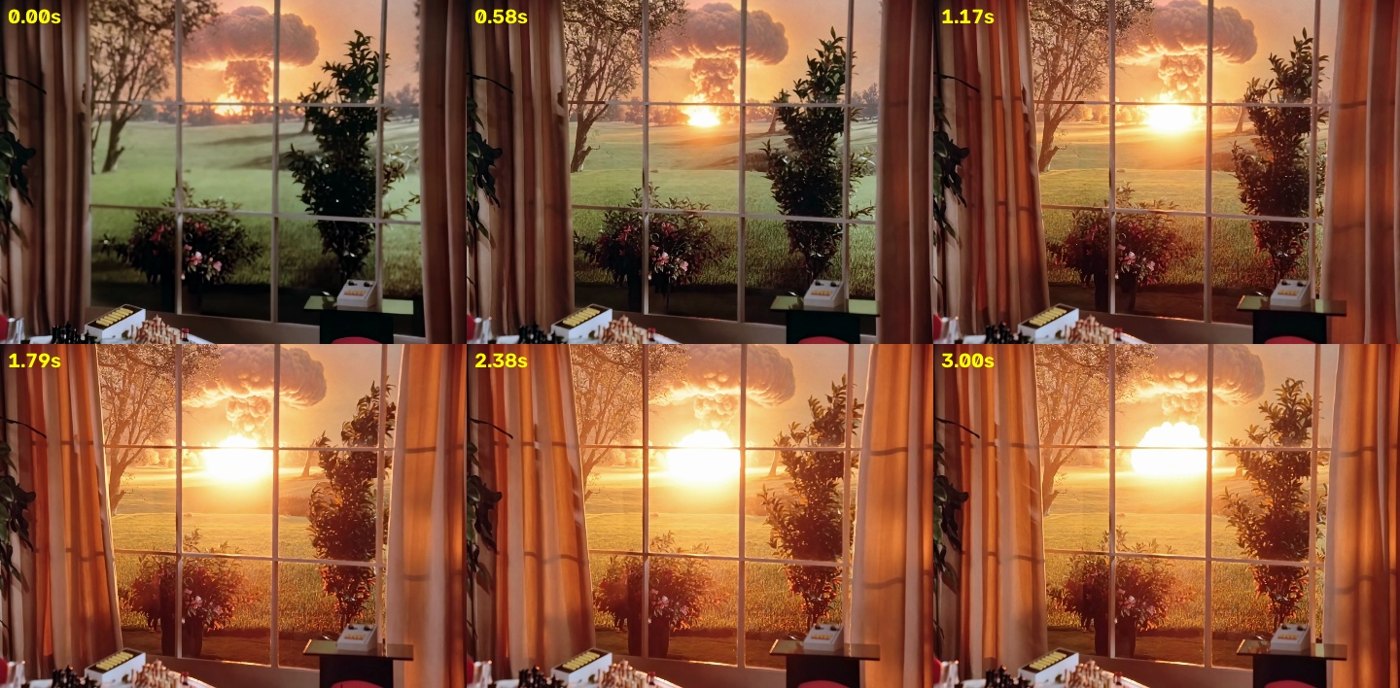
Where the story needed a shot that didn’t exist, it was generated: AI frames of a war outside the picture window.
Type as story
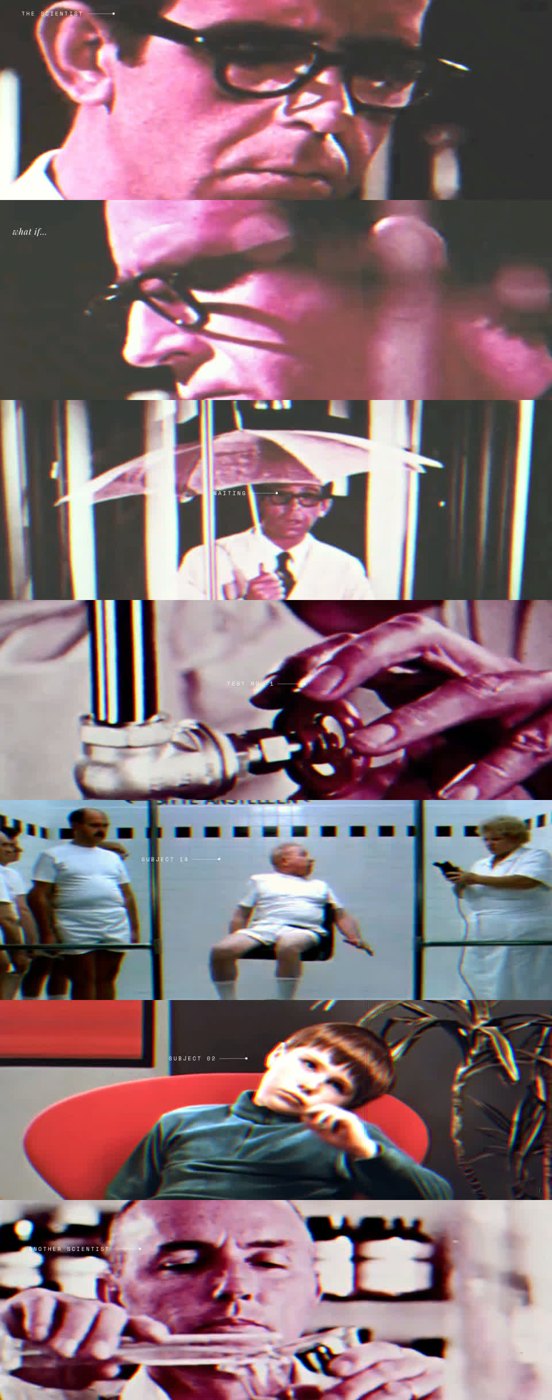
A few deadpan words, placed beside heads using face tracking (YuNet), never over a face.
The film
Rendered from HyperFrames at 3:12, mixed to streaming loudness.